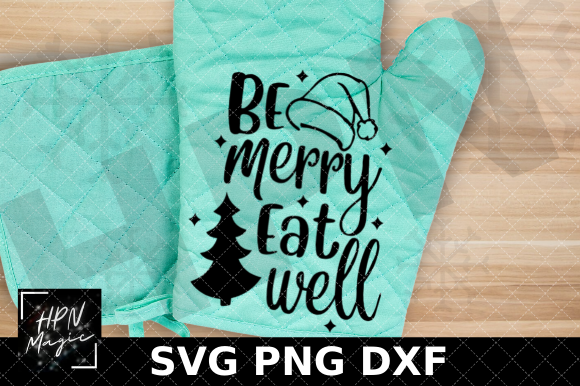
Be Merry Eat Well
As an embroidery designer and product reviewer, I often find myself evaluating new designs with a critical eye—looking for clarity, versatility, and practicality. Be Merry Eat Well is one such design that stands out for its clean aesthetic and potential in various embroidery projects. The instant download includes SVG, PNG, and DXF files, making it accessible for both digital and physical applications. But what does it really bring to the table when it comes to real-world use?
The First Impression: A Design That Speaks Volumes
From the moment I laid eyes on Be Merry Eat Well, I noticed its simple yet effective layout. The design features a central motif that’s easy to read and visually balanced. It has a warm, inviting mood that suggests it belongs in casual, home-oriented projects. The theme is straightforward—food and joy—but the execution feels modern and timeless. This makes it ideal for custom apparel, baby items, or holiday gifts where a friendly, approachable look is essential.
The detail level is moderate, which means it doesn’t overwhelm the eye but still offers enough visual interest to stand out. It’s not overly intricate, so it works well on smaller hoop sizes without sacrificing quality. The shape is also versatile, fitting neatly on tote bags, sweatshirts, and even aprons without feeling cramped or cluttered.
Real-Life Embroidery Use: Where It Shines
When considering real-life embroidery situations, Be Merry Eat Well fits naturally into several categories. For instance, if you’re creating a custom embroidered tote bag for a local café or a personalized sweatshirt for a friend, this design would be a solid choice. Its easily framable sizes mean it can double as a standalone art piece or be incorporated into larger projects.
For small business owners or Etsy sellers, Be Merry Eat Well could serve as a strong foundation for a line of handmade products. It’s perfect for baby clothes, where simplicity and readability are key. The design also lends itself well to holiday embroidery, whether it’s for a Christmas gift or a seasonal decor item. Its clean lines make it adaptable for both personal and commercial use.
One thing I appreciate is how it handles different fabric types. On lighter fabrics like cotton or linen, the design looks crisp and clear. On darker materials, it maintains its visibility, though I’d recommend checking thread color contrast to ensure it pops against the background. For textured or stretchy fabrics, a proper stabilizer is a must to keep the stitches from distorting.
Where to Be Cautious: Design Limitations
While Be Merry Eat Well is a great design, there are some areas where caution is warranted. If you’re working with small hoop sizes, the design might feel too large, requiring careful placement or resizing. On thin or stretchy fabrics, it may not hold up as well, especially if the stitch density isn’t adjusted properly.
Detailed corners or tiny lettering could pose challenges, depending on your machine’s capabilities. If you’re planning to use it on curved surfaces like caps or hats, test it first to ensure the design remains intact after stitching. Additionally, if you’re looking to create an applique design or use satin stitch for highlights, be mindful of how the layers interact with the base fabric.
Impact on Visual Appeal and Customer Perception
Be Merry Eat Well adds a sense of warmth and personality to any project it’s used in. Its visual appeal is subtle but effective, making it a great choice for handmade products that need to feel authentic and thoughtful. When stitched onto a tote bag or a pillow cover, it enhances the overall aesthetic without overpowering the item.
From a customer perspective, this design can increase the perceived value of a finished product. It’s eye-catching enough to draw attention but not so flashy that it feels unprofessional. For small shop merchandise or boutique branding, it offers a consistent, recognizable look that aligns with a cozy, welcoming brand identity.
It also plays a role in buyer engagement. Whether it’s for a personalized gift or a commercial product, the design’s simplicity makes it easy to understand and appreciate. This helps build trust with customers who are looking for quality and thoughtfulness in their purchases.
Practical Designer Notes: What to Check Before Using
Before finalizing any project with Be Merry Eat Well, I recommend testing it on scrap fabric first. This allows you to see how the stitches behave on different materials and adjust settings accordingly. Pay close attention to stitch density—too much can cause puckering, while too little may result in a weak appearance.
Confirm the hoop size required for your machine and inspect the design for any small details that might be lost during the embroidery process. Test it in black and white mockups to see how it translates without color, and compare it on light and dark backgrounds to ensure visibility.
Use the right stabilizer for your fabric type, and always check the licensing terms before selling finished items or digital products. While the design is available for instant download, it’s important to verify that it meets your specific needs for both personal and commercial use.
Final Thoughts: A Versatile Design for Many Projects
Be Merry Eat Well is a reliable addition to any embroidery file library. It’s practical, easy to work with, and adaptable to a wide range of projects. Whether you’re a hobbyist looking to create personalized gifts or a small business owner expanding your product line, this design offers flexibility and style without unnecessary complexity.
Its clean, approachable look makes it a great fit for custom apparel, baby items, and holiday decorations. With proper care and testing, it can elevate the quality of your finished products and enhance the overall customer experience. As an embroidery designer, I’d definitely recommend giving Be Merry Eat Well a try—especially if you’re looking for a design that balances simplicity with charm.