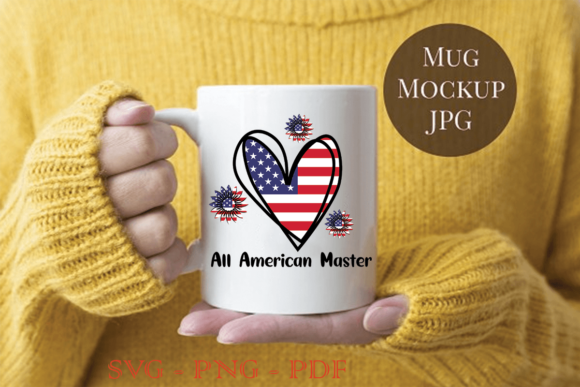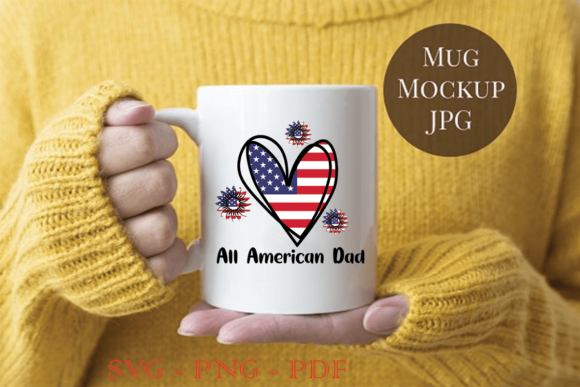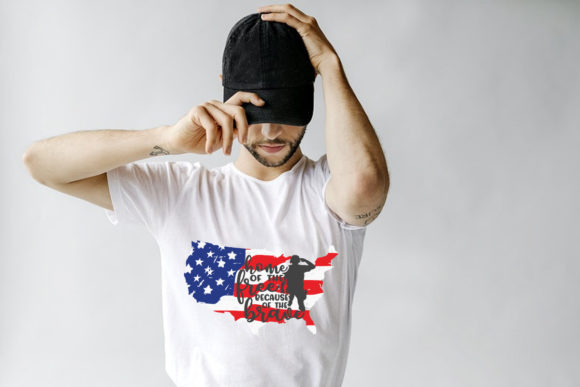
All American Nana
As an embroidery designer and product reviewer, I always start by evaluating a new design with a critical eye—especially when it’s meant for real-world use. All American Nana is a print template that promises versatility, but how does it hold up in actual embroidery projects? Let’s break it down.
The First Impression
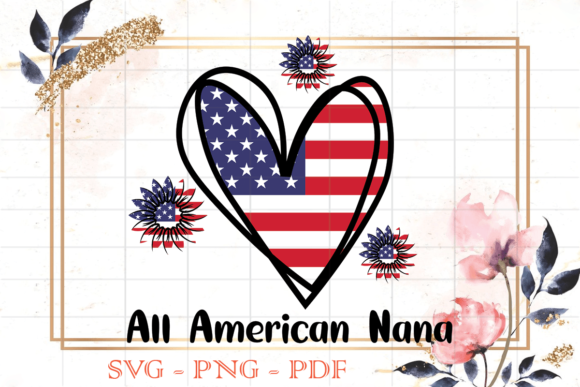
From the moment I opened the file, All American Nana felt like a classic, nostalgic design. It has a warm, friendly vibe that makes it perfect for baby items, family-themed gifts, or even personalized apparel. The layout is clean, with a central image that doesn’t feel cluttered. The details are subtle but meaningful, making it ideal for a machine embroidery design that can be adapted to various sizes and styles.
The theme is straightforward—think of a cozy, homey aesthetic that would work well on a tote bag, a sweatshirt, or even a pillowcase. It’s not overly complicated, which is a good sign for those looking for a reliable, repeatable design.
Real-World Embroidery Use Cases
When I think about where All American Nana could shine, it’s in custom apparel and small business merchandise. A tote bag design with this image would look great at a craft fair or online store. It also has potential as a sweatshirt embroidery, especially for seasonal or holiday-themed items.
For baby items, like onesies or blankets, the design’s simplicity and warmth make it a safe choice. It’s not too busy, so it won’t overwhelm delicate fabrics or small spaces. As an embroidered patch, it could be used on jackets, backpacks, or even as a logo for a small shop.
It also works well as a printable mockup for digital product previews. Whether you're an Etsy seller or a craft business owner, having a clear, recognizable design like this can help your listings stand out.
Where to Be Careful
Despite its strengths, there are some situations where All American Nana might not perform as expected. If you’re working with small hoop sizes, the design might require splitting or resizing, which could affect the overall look. Similarly, if you’re trying to stitch it onto textured or stretchy fabrics, the details may not come through as clearly.
Thin or dark fabrics could also pose a challenge. The design relies on contrast, so if the background is too dark or the thread color doesn’t pop, it might not look as intended. For layered garments or curved surfaces like caps, you’ll need to adjust the hoop size and stabilizer accordingly.
Small details, like intricate corners or tiny lettering, may get lost in dense stitch areas. If you’re using a fill stitch or satin stitch, make sure the design isn’t too detailed in those sections. Otherwise, it could end up looking muddled or unclear.
Visual Appeal and Product Value
All American Nana has a strong visual appeal that can elevate any handmade product. Its clean lines and familiar imagery make it easy to recognize, which is important for customer trust and brand consistency. When used on a personalized gift or a boutique product, it adds a touch of warmth and familiarity that customers often appreciate.
In terms of value, this design can be a solid addition to any embroidery project. It’s versatile enough to fit into different styles and occasions, from everyday wear to special events. For a small shop product or an Etsy listing, it can help boost buyer engagement and increase the perceived value of your finished product.
Practical Designer Notes
Before jumping into a full project, I always recommend testing the design on scrap fabric. This helps you see how the stitches will look on your specific material and whether the thread colors contrast well. You should also check the stitch density to ensure it’s suitable for your project type.
Confirming the hoop size is another key step. If the design is too large for your machine, you may need to adjust it or split it into sections. Inspecting small details is also crucial—make sure everything looks sharp and clear before committing to a final piece.
Testing the design in black and white mockups can help you visualize how it will look on different fabric backgrounds. Comparing it on light and dark fabrics can also reveal any hidden issues. Using the right stabilizer is essential, especially for tricky materials like stretchy or thin fabrics.
Finally, always check whether the design is suitable for both personal and commercial projects. If you plan to sell finished items or digital products, confirm the licensing terms to avoid any legal issues down the line.
Final Thoughts
All American Nana is a solid choice for embroidery designers, small business owners, and crafters looking for a reliable, adaptable design. Its clean layout and friendly aesthetic make it ideal for a wide range of projects, from custom apparel to personalized gifts.
With proper preparation and attention to detail, this design can become a valuable asset in your creative toolkit. Just remember to test it thoroughly and consider the fabric and project requirements before moving forward. Whether you're creating a handmade product or a digital design asset, All American Nana has the potential to add real value to your work.